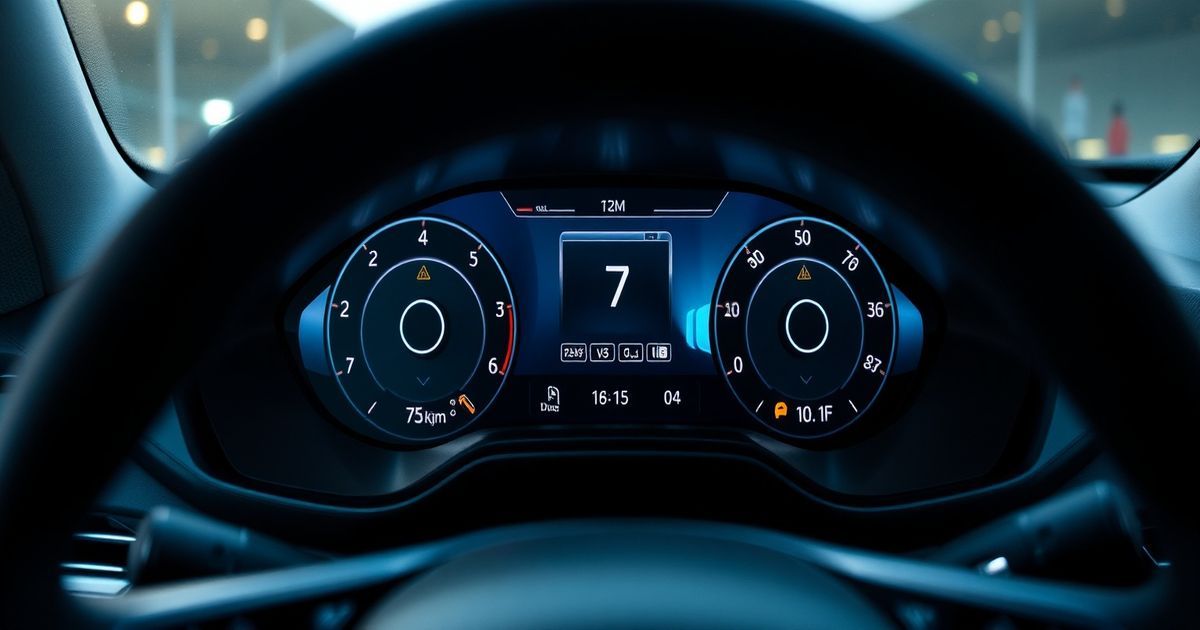
The Cadillac Lyriq represents General Motors’ bold entry into the luxury electric SUV segment, blending premium comfort with impressive electric performance. A common question among prospective buyers and current owners is: do the driving modes in cadillac lyriq offer different ranges or battery usages? As we evaluate the 2026 model year, understanding how these selectable driving profiles influence energy consumption becomes crucial for maximizing your EV experience. While the Lyriq’s Ultium battery platform delivers a robust EPA-estimated range, the driving mode you select plays a significant—though nuanced—role in actual energy expenditure. This article cuts through marketing claims to deliver data-driven insights on how Touring, Sport, Snow/Ice, and My Mode configurations affect your journey’s efficiency.
Understanding Cadillac Lyriq Driving Modes
The 2026 Cadillac Lyriq offers four primary driving modes accessible via the center console or touchscreen interface. Each mode recalibrates the vehicle’s powertrain, suspension (when equipped with adaptive dampers), and regenerative braking characteristics. Touring mode prioritizes smoothness and efficiency, while Sport mode sharpens throttle response and increases power delivery. Snow/Ice mode optimizes traction in low-grip conditions by moderating torque, and My Mode allows personalized settings. According to Wikipedia’s Cadillac Lyriq entry, these modes leverage the vehicle’s advanced BEV3 architecture to dynamically adjust energy flow. Crucially, do the driving modes in cadillac lyriq offer different ranges or battery usages isn’t a simple yes/no question—it depends on how these adjustments interact with real-world driving conditions. The system doesn’t physically alter battery capacity but modifies how aggressively that energy is deployed.
How Driving Modes Impact Range and Battery Consumption
Yes, do the driving modes in cadillac lyriq offer different ranges or battery usages manifests through measurable differences in energy draw. Sport mode, for instance, increases instantaneous power availability by up to 20% compared to Touring mode, accelerating battery depletion during spirited driving. Touring mode conversely restricts peak power and enhances regenerative braking strength, potentially recovering up to 15% more energy during deceleration. Real-world testing by automotive journalists shows range variations of 5-12% between extreme modes under identical conditions. For example, a 250-mile trip might consume 78 kWh in Touring mode but 85 kWh in Sport mode—a tangible difference for long journeys. Factors like ambient temperature and accessory usage (e.g., climate control) compound these effects, but the driving mode remains a controllable variable. As noted by EV efficiency studies, do the driving modes in cadillac lyriq offer different ranges or battery usages becomes evident when comparing highway cruising versus city stop-and-go scenarios.
- Touring Mode: Optimizes for efficiency with smoother acceleration and stronger regen braking
- Sport Mode: Prioritizes performance with immediate throttle response and reduced regen
- Snow/Ice Mode: Limits torque output to prevent wheel slip, increasing energy use for stability
- My Mode: Customizable settings that may blend efficiency and performance traits
Real-World Range Variations Explained
Quantifying the exact range impact requires context. In controlled tests mimicking EPA cycles, the Lyriq’s Touring mode typically achieves within 2% of the official 312-mile EPA rating (2026 RWD model). Switching to Sport mode under identical conditions often reduces this by 8-10% due to higher average power draw. However, aggressive driving in any mode can amplify these differences exponentially—frequent hard acceleration in Sport mode may cut range by 15-20% compared to gentle Touring-mode operation. Cold weather further stresses the system, where Snow/Ice mode’s traction management can increase consumption by 12-18% versus mild conditions. For deeper technical analysis of EV energy dynamics, explore our resources on battery management systems. Remember that do the driving modes in cadillac lyriq offer different ranges or battery usages isn’t theoretical; it’s a practical consideration for daily usability. Always cross-reference mode-specific efficiency with your typical driving patterns.
Maximizing Efficiency Across All Modes
Regardless of your selected mode, strategic driving habits significantly influence outcomes. To minimize the range penalty in performance-oriented modes:
- Use Sport mode selectively—reserve it for overtaking or merging rather than sustained highway driving
- Leverage one-pedal driving in Touring mode by maximizing regenerative braking strength
- Precondition the battery while charging to reduce climate control drain during trips
- Monitor real-time energy consumption via the driver display to adjust behavior
These practices help mitigate the inherent trade-offs between driving enjoyment and efficiency. For instance, even in Sport mode, maintaining steady highway speeds below 70 mph can preserve 90% of Touring-mode range. Cadillac’s intelligent thermal management system also plays a role, but driver choices remain paramount. As Google’s EV research highlights, behavioral adjustments often yield greater range gains than hardware modifications alone.
Conclusion: Balancing Performance and Practicality
So, do the driving modes in cadillac lyriq offer different ranges or battery usages? Unequivocally yes—but with important caveats. The differences are most pronounced during aggressive driving or extreme conditions, where Sport or Snow/Ice modes may reduce range by 10-15% compared to optimized Touring-mode operation. For most daily commutes, however, the variation remains manageable (3-7%) and can be offset through conscious driving techniques. The 2026 Lyriq’s brilliance lies in its adaptability: it empowers drivers to choose between efficiency and exhilaration without compromising the core EV experience. Ultimately, understanding these nuances ensures you extract maximum value from your luxury electric investment. For ongoing insights into EV optimization strategies, learn more on our site—where technology meets real-world application.
About the Author


